Comprehensive Guide to Hiring a Commercial Roofing Contractor Phoenix, AZ for Repairs and Restoration

Roofing and lightning faraday systemon installed on new warehouse with exsiting old building warehouse and blue sky background Roofing and lightning faraday systemon installed on new warehouse with exsiting old building warehouse and blue sky background Commercial Roofing stock pictures, royalty-free photos & images

Maintaining a functional and durable roof is critical for any commercial building. A well-maintained roof not only protects a business’s assets but also ensures the safety, comfort, and productivity of employees, customers, and tenants. This guide provides vital information on commercial roof repair and restoration to help businesses make informed decisions about their roofing needs.

The Importance of Industrial Roofing Phoenix, AZ: Repair and Restoration

  • Extend the life of your roof.
  • Prevent costly emergency replacements.
  • Protect valuable assets inside the building.
  • Maintain energy efficiency by preventing air leaks or insulation issues.

Key Benefits of Commercial Flat Roofing Phoenix, AZ Services

  1. Cost-Effective Solutions: Repairing small damages early prevents them from worsening into bigger—and costlier—issues.
  2. Minimal Downtime: Repairs are often faster than full replacements or restorations, allowing businesses to continue operations with minimal disruption.
  3. Improved Safety: Fixing leaks and structural vulnerabilities ensures a safer environment for all occupants.
  4. Energy Efficiency: Sealing gaps or replacing damaged insulation reduces energy costs by improving thermal regulation.

Understanding Commercial Roof Installation in Phoenix, AZ

Roof restoration involves more comprehensive work compared to repairs but serves as an alternative to total replacement. While repairs address specific sections of damage, restoration revives the overall condition of an aging roof system without removing it entirely.

  • Cleaning the entire roof surface (e.g., removing dirt, debris, mold).
  • Fixing leaks or minor damages across the structure.
  • Applying protective coatings designed to enhance durability and weather resistance.

A restored roof not only looks new but also performs better in terms of energy efficiency and longevity.

Comparing Repairs vs. Restoration

Aspect Roof Repair Roof Restoration
Scope Fixes localized damage Covers entire roofing system
Cost Lower Moderate
Time Required Short Moderate
Lifespan Improvement Temporary fix Extends lifespan significantly

Determining What Your Business Needs

  1. Age of Your Roof: If your commercial roofing system is nearing its expected lifespan (typically 15–20 years depending on materials), restoration may be more effective than repeated repairs.
  2. Extent of Damage: Minor issues like isolated leaks may only require repairs; widespread wear could necessitate a restoration project.
  3. Budget Constraints: Repairs can be budget-friendly in the short term while restorations often yield long-term savings due to improved efficiency and durability.

Engaging with experienced roofing contractors for inspections will help determine which route best suits your building’s needs.

Regular maintenance is essential for preventing small problems from escalating into significant expenses later on—safeguarding both your property value and daily operations efficiently over time.

Understanding the Difference Between Commercial Roofing Phoenix, AZ Repairs and Restoration

When it comes to maintaining a commercial roof, it is crucial to understand the distinction between roof repair and roof restoration. While both involve addressing issues with your roofing system, they serve different purposes and are suitable for specific scenarios. Knowing when to choose repair versus restoration can save your business time and money while ensuring the longevity of your roof.

What Is Commercial Roof Repair?

Commercial roof repair focuses on addressing localized issues affecting the functionality or integrity of the roofing system. This option is ideal for minor to moderate damage that doesn’t compromise the entire structure. Common examples include:
– Fixing leaks or punctures in specific areas
– Replacing damaged shingles or membrane sections
– Addressing pooling water in flat roofs
– Repairing flashing around vents, chimneys, or HVAC units

Repairs tend to be more cost-effective than restorations when problems are isolated and manageable. However, repairs may not address underlying systemic issues that could worsen over time.

What Is Commercial Roof Restoration?

Roof restoration is a more comprehensive approach that extends the lifespan of your existing roofing structure without replacing it entirely. It involves applying coatings or other materials to revitalize a roof’s surface while addressing wear and tear caused by weather, aging, or other factors. Key components of a restoration typically include:
– Cleaning the roof thoroughly to remove debris and buildup
– Sealing cracks and fixing minor damages across large areas
– Applying reflective coatings (e.g., silicone or acrylic) for UV protection
– Improving energy efficiency by reducing heat absorption

Restoration is particularly beneficial for aging roofs still structurally sound but beginning to show signs of widespread deterioration.

Comparing Roof Repair vs. Restoration

Feature Roof Repair Roof Restoration
Scope Localized fixes for specific problems Comprehensive treatment for entire surface
Cost Lower initial cost Higher initial cost but longer-term savings
Longevity Improvement Limited improvement Adds 10–15 years to lifespan
Energy Efficiency Impact Minimal Significant due to reflective coatings

How To Decide Between Roof Repair and Restoration

  1. Extent of Damage: If damage is limited to small sections of the roof, repairs may suffice. Widespread deterioration often warrants restoration.
  2. Age of Roof: Older roofs nearing their expected lifespan are better candidates for restoration as opposed to frequent repairs.
  3. Budget Constraints: Repairs are less expensive upfront but may lead to higher costs over time if problems persist.
  4. Long-Term Goals: Restoring a roof can improve energy efficiency and reduce future maintenance needs—ideal for businesses prioritizing sustainability.

Consulting with professional roofing contractors who specialize in both services is essential for assessing your specific situation accurately and choosing the best course of action.

By understanding these differences, businesses can make informed decisions about maintaining their commercial roofs effectively while protecting their investment over time.

Signs That Indicate Your Commercial Roof Needs Immediate Attention

1. Visible Damage to Roofing Materials

  • Cracks or Splits: Cracks, splits, or tears in roofing membranes or materials can expose the underlying structure to water damage.
  • Blistering or Bubbling: This often indicates trapped moisture beneath the membrane, which can weaken the roof’s integrity.
  • Missing or Loose Materials: For roofs with shingles, tiles, or panels, missing components can lead to leaks and further deterioration.

2. Ponding Water

Flat and low-slope commercial roofs are particularly vulnerable to ponding water. If water remains stagnant on your roof for more than 48 hours after a storm, it could lead to structural damage, mold growth, and premature wear of roofing materials.

Impact of Ponding Water Potential Issues
Weight Stress Can weaken the roof structure
Accelerated Deterioration Reduces life expectancy of materials
Algae Growth Causes discoloration and damage

3. Leaks Inside the Building

Water stains on ceilings, walls, or floors within your building are often signs of roofing issues. Even minor leaks should not be ignored as they can result in:
– Mold and mildew growth.
– Damage to insulation materials and electrical systems.
– Compromised interior furnishings.

4. Increased Energy Costs

A damaged roof may compromise its insulation capabilities, causing heat loss in winter or excessive heat gain during summer months. This inefficiency often results in higher energy bills due to HVAC systems working harder than necessary.

5. Sagging Roof Sections

A sagging section of a commercial roof often signals structural stress caused by age, weight from accumulated debris (or water), and weakened internal components such as beams or supports.

6. Evidence of Mold Growth

Mold thrives in moist environments and is a sign that moisture is infiltrating your roofing system through leaks or condensation buildup.

Why Quick Action is Critical

  • Costly repairs later due to advanced material degradation.
  • Safety hazards for employees and customers inside the building.
  • A reduced lifespan for your entire roofing system.

Regular maintenance checks combined with swift responses to these warning signs will help extend the life of your commercial roof while protecting your business assets effectively over time.

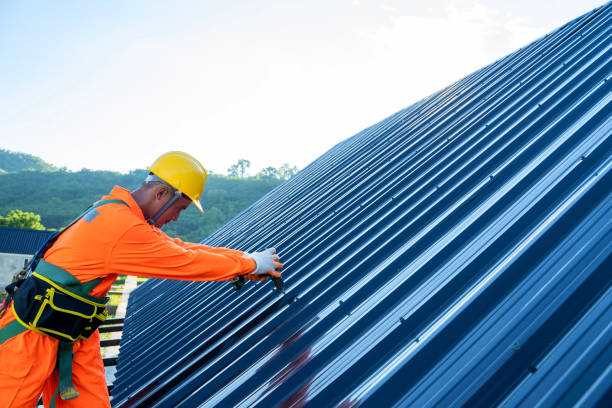
Roofer worker in protective uniform wear and gloves,Concept of residential building under construction. Roofer worker in protective uniform wear and gloves,using air or pneumatic nail gun and installing asphalt shingle on top of the new roof,Concept of residential building under construction. Commercial Roofing stock pictures, royalty-free photos & images

Expert Commercial Roofing Company Phoenix, AZ: Protecting Your Investment with Quality Services

Maintaining the integrity of your commercial roof is essential for safeguarding your business operations, assets, and employees. High-quality commercial roofing services not only extend the life of your roof but also prevent costly replacements and ensure long-term structural stability. Below are key factors to consider when investing in professional roofing services to maximize the value of your commercial property.

Benefits of High-Quality Roofing Services

  • Increased Longevity: With proper maintenance and repair work, a well-installed roof can last decades without major issues.
  • Cost Efficiency: Proactive care reduces the likelihood of expensive emergencies or premature replacements.
  • Energy Efficiency: Professional services ensure proper insulation and ventilation, lowering energy bills by increasing thermal efficiency.
  • Aesthetic Appeal: A clean, well-maintained roof enhances the overall appearance and value of your commercial property.

Components of a Quality Roofing Service

  1. Identifying weak spots, leaks, or structural damage before they escalate.
  2. Using advanced technologies like infrared thermography to detect hidden moisture issues.
  3. Regular cleaning to remove debris that clogs drainage systems.
  4. Routine inspections scheduled seasonally to identify potential risks caused by weather changes.
  5. Ensuring replacement components match or exceed original material quality.
  6. Utilizing long-lasting coatings that improve water resistance and UV protection.
  7. Applying reflective coatings to reduce heat absorption and improve energy efficiency.
  8. Strengthening existing membranes without a full tear-off when restoration is possible.

Key Factors When Choosing Roofing Services

Criteria What to Look For
Experience Years in business with proven expertise in commercial roofing systems
Certifications & Licensing Licensed professionals with certifications from manufacturers like GAF or Duro-Last
Warranty Offerings Comprehensive warranties on both labor and materials
Customer Reviews Positive testimonials from other business owners
Safety Practices Compliance with OSHA standards for workplace safety during installations/repairs

Cost vs Quality: Why Cutting Corners Can Be Risky

  • Frequent repairs due to subpar workmanship.
  • Increased downtime if leaks or damage disrupt business operations.
  • Decreased property value caused by poor aesthetics or improper installation.

Investing in high-caliber commercial roofing ensures peace of mind while delivering long-term savings on repairs and energy costs.

By prioritizing high-quality service providers who use durable materials and follow industry best practices, businesses can fully protect their investment while maintaining safe and efficient facilities.

Can Your Commercial Roof Be Effectively Repaired or Does It Require Restoration?

When a commercial roof shows signs of wear and tear, business owners often face the critical decision of determining whether repair is sufficient or if a full restoration is necessary. Understanding the factors that influence this decision can save you both time and money, while ensuring the longevity of your roofing system. Below, we’ll explore how to assess your roof’s condition and decide between repair and restoration.

Key Factors to Consider

  1. Localized Issues: If damage is limited to small sections, such as isolated leaks, ponding water, or minor cracks in the membrane, repairs may suffice.
  2. Widespread Problems: When damage covers a significant portion of the roof—such as extensive water intrusion or failing materials—restoration could be more cost-effective long-term.
  3. Most commercial roofing systems have an expected lifespan depending on their material (e.g., TPO, EPDM, metal). If your roof is approaching its maximum lifespan but remains structurally sound, restoration might extend its life by years.
  4. For newer roofs with minor issues caused by installation errors or isolated weather events, targeted repairs are usually ideal.
  5. Roof Material Compatibility
    Certain materials lend themselves better to restoration processes than others:
    | Roofing Material | Suitable for Repair? | Suitable for Restoration? |
    |——————-|———————-|—————————|
    | EPDM (Rubber) | Yes | Yes |
    | TPO (Thermoplastic)| Yes | Yes |
    | Metal | Yes | Limited |
    Restoration often involves recoating or resurfacing; ensure compatibility between existing materials and new coatings before proceeding.
  6. Repair work tends to have lower upfront costs compared to restoration but may require repeated interventions over time if issues persist.
  7. While restoration has higher initial expenses, it offers longer-term benefits like improved energy efficiency and extended system lifespan.
  8. Inspection Results
    Always conduct a professional inspection before making decisions about repair versus restoration. Roofing specialists can identify hidden structural damage that might not be apparent during a visual inspection alone.

Benefits of Repair vs Restoration

  • Lower initial costs.
  • Shorter project timelines.
  • Ideal for localized problems without disrupting overall roof integrity.
  • Increases energy efficiency by adding reflective coatings.
  • Extends the life of your current roofing system by up to 10–20 years.
  • Helps avoid costly full replacement in certain cases.

Questions to Ask Your Contractor

  • What percentage of my roof is damaged?
  • Are there any underlying structural issues that need attention?
  • What type of warranty coverage will I receive for repairs versus restoration?
  • How will this choice impact my building’s energy efficiency?

By weighing these factors carefully with advice from a qualified professional, you can make an informed decision that balances cost-effectiveness with long-term performance needs for your commercial roofing system.


How to Determine if Your Commercial Roofing in Phoenix, AZ Needs Replacement

Finishing the roof of a building detail of the finishing material of the roof of a building Commercial Roofing stock pictures, royalty-free photos & images

A well-maintained commercial roof is crucial to protecting your building, assets, and operations. Over time, however, even the most durable roofing systems will show signs of wear and tear. Knowing when a roof replacement is necessary can save you from costly repairs or structural damage. Below are the key indicators and steps to help you determine whether it’s time for a new commercial roof.

Signs Your Commercial Roof May Need Replacement

  • Persistent Leaks: Water stains on ceilings or walls often indicate compromised roofing material or flashing issues.
  • Ponding Water: Flat or low-slope roofs may experience water pooling after rainfall, which can deteriorate the membrane over time.
  • Visible Damage: Cracks, punctures, blisters, and tears in roofing membranes are strong indicators that repairs may not be sufficient.
  • Sagging Roof Structure: A sagging roof deck can signal underlying structural problems that require immediate attention.
  • Increasing Energy Bills: Poor insulation or damaged reflective coatings can lead to higher energy costs due to decreased efficiency.

Age of the Roofing System

Roofing Material Average Lifespan (Years)
EPDM (Rubber) 20–25
TPO (Thermoplastic) 15–20
PVC 20–30
Built-Up Roofing (BUR) 20–30
Metal Roofing 40–70

If your current roofing system is nearing or has exceeded its expected lifespan, replacement may be more cost-effective than frequent repairs.

Inspection Checklist

  • Condition of flashing and seals around vents and HVAC units
  • Overall drainage efficiency including gutters and downspouts
  • Integrity of roofing membranes or shingles
  • Evidence of mold growth caused by moisture intrusion
  • Structural health of decking and support systems

Cost vs Benefit Analysis

  • Reduces ongoing maintenance expenses
  • Enhances building value and aesthetics
  • Improves energy efficiency through modern materials
  • Ensures compliance with updated building codes

When Repair Isn’t Enough

  1. Damage affects more than 25% of the total surface area.
  2. The cost of recurring repairs approaches half the value of a new system.
  3. Underlying structural elements have been compromised due to neglect.

By staying vigilant about these factors and consulting experienced professionals when necessary, you can ensure that any decision regarding your commercial roof aligns with long-term goals for durability and performance.

Tips to Determine if Your Commercial Roofing Company Phoenix, AZ Can Replace Your Roof

Determining whether your commercial roof requires replacement is a critical step in protecting your building, its occupants, and its assets. A well-maintained roof plays a significant role in the structural integrity of a commercial property. Below are key indicators and steps to assess the condition of your roof and decide if it’s time for a replacement.

Signs Your Commercial Roof May Need Replacement

  • Age of the Roof: Most commercial roofing systems have an expected lifespan ranging from 20 to 30 years, depending on the material. If your roof is nearing or has exceeded this range, it may be time to consider replacing it.
  • Frequent Repairs: Persistent issues requiring frequent repairs often indicate underlying problems that may not be cost-effective to fix individually.
  • Cracks, tears, or punctures in roofing membranes
  • Blistering or bubbling on flat roofing systems
  • Sagging or uneven sections of the roof
  • Moisture Problems: Water stains on ceilings, mold growth, or consistent leaks can point to compromised waterproofing layers.
  • Loss of Energy Efficiency: A deteriorating roof can cause poor insulation performance and lead to rising energy costs.

Professional Inspection vs. DIY Assessment

While some signs of damage are visible during routine inspections by building owners or maintenance staff, others require professional evaluation. A licensed commercial roofing contractor can provide a comprehensive assessment using advanced tools such as infrared imaging to detect hidden moisture issues.

Aspect DIY Assessment Professional Inspection
Tools Used Visual checks Infrared cameras, moisture meters
Accuracy Limited High
Cost Low/no cost Service fee
Key Benefit Immediate identification of visible issues Comprehensive evaluation and long-term recommendations

Factors Influencing Replacement Decisions

  1. Roof Type and Material
    Certain materials like metal roofs may support partial replacements if only specific sections are damaged, while systems like single-ply membranes often require full replacement once their lifespan ends.
  2. Budget Considerations
    Weigh the cost of ongoing repairs against the investment in a new roofing system. In many cases, repeated patchwork becomes more expensive over time than opting for complete replacement.
  3. Building Use and Functionality
    Roofing requirements differ based on how the building is used (e.g., warehouses vs. office spaces). Ensure any decision aligns with operational needs.
  4. Weather Conditions
    Harsh weather conditions such as heavy snow loads or frequent storms may accelerate wear and tear on your roof, necessitating earlier intervention than expected.

When Immediate Action is Necessary

Some situations demand immediate attention to protect your building from further damage: – Severe weather events causing structural failures – Active leaks damaging interiors – Fire hazards due to faulty insulation layers

If you notice any urgent issues during an inspection, prioritize contacting a qualified commercial roofer promptly.

By staying proactive about inspections and recognizing key warning signs early on, you can minimize risks associated with aging or failing roofs while ensuring long-term protection for your property investments.

How to Hire the Right Commercial Roofing Contractor Phoenix, AZ for Your Business

Hiring the right commercial roofing contractor is a critical decision that can impact your building’s longevity, energy efficiency, and overall operational costs. A high-quality roofing installation or replacement by an experienced contractor ensures your roof’s durability and performance while minimizing future repairs. Below is a detailed guide on how you can select the best commercial roofing contractor for your business needs.

Key Qualities to Look for in a Roofing Contractor

  • Licensing and Certification
    Verify that the contractor holds all necessary licenses and certifications required by local or state authorities. This demonstrates their compliance with industry standards and regulations.
  • Experience with Commercial Projects
    Choose contractors who specialize in commercial roofing systems rather than residential work. Commercial roofs often require expertise with materials like TPO, EPDM, or metal that differ significantly from standard shingles.
  • Insurance Coverage
    Ensure the contractor has adequate liability insurance as well as worker’s compensation coverage. This protects you from potential legal or financial liabilities in case of accidents during the project.
  • Reputation and References
    Check online reviews, testimonials, and ratings from previous clients. Ask for references from past projects similar to yours and follow up with those references to assess their experience.

Questions to Ask Potential Contractors

  1. What types of commercial roofing systems do you specialize in?
  2. Can you provide a detailed estimate including labor costs, material costs, timelines, and warranties?
  3. How do you handle unexpected issues during a project?
  4. Do you offer maintenance services post-installation?

Documenting these answers can help compare contractors objectively during the decision-making process.

The Importance of Written Contracts

Item Details
Scope of Work A clear outline of tasks to be performed
Project Timeline Start dates, milestones, completion date
Materials Specific brands/types of materials being used
Cost Breakdown Detailed pricing for labor and materials
Warranty Information Coverage duration for both materials and workmanship

Review all terms carefully before signing to avoid misunderstandings later on.

Red Flags to Avoid

  • Demands for full payment upfront instead of progress-based payments.
  • Lack of proper licensing or insurance documentation.
  • Refusal to provide references or portfolios.
  • Unclear estimates without itemized breakdowns.

Benefits of Hiring the Right Contractor

  • Proper installation ensuring maximum lifespan of your roof.
  • Reduced energy bills through efficient materials like reflective coatings.
  • Compliance with building codes avoiding costly penalties.
  • Peace of mind knowing your investment is protected by warranties.

By investing time upfront in researching qualified professionals, business owners can save money, mitigate risk, and ensure their property is safeguarded against environmental challenges efficiently over time.

Top 10 Considerations Before Choosing an Industrial Roofing System in Phoenix, AZ

Selecting the right commercial roofing system is a critical decision for building owners. With numerous materials, installation techniques, and performance factors to evaluate, making an informed choice can save significant time and resources in the long run. Below are the top 10 considerations to keep in mind when deciding on a new commercial roofing system.

1. Building Usage and Purpose

The function of your building will greatly influence your roofing needs. For example:
Warehouses may prioritize durability and cost-efficiency.
Office buildings often need energy-efficient solutions to reduce heating and cooling costs.
Retail spaces might focus on aesthetics alongside performance.

Evaluate how roof performance can align with your building’s intended use.

2. Climate and Weather Conditions

The local climate plays a major role in determining the best roofing material: – Hot climates benefit from reflective, cool roofs like TPO or white PVC membranes. – Areas prone to heavy rainfall may need materials with excellent waterproofing such as modified bitumen or EPDM. – Wind-resistant systems are essential in regions susceptible to storms or hurricanes.

3. Energy Efficiency

Energy efficiency is a top priority for many business owners looking to lower utility bills: – Look for reflective roofs that meet ENERGY STAR® requirements. – Materials like TPO membranes and metal roofs offer excellent thermal performance. – Cool roofing systems can reduce HVAC usage, leading to long-term savings.

4. Longevity and Durability

Choose a roofing system based on its expected lifespan: | Roofing Material | Expected Lifespan | |————————|——————| | TPO | 15–20 years | | EPDM | 20–30 years | | Metal Roofing | 40+ years | | Built-Up Roofing (BUR) | 20–30 years |

Consider both the upfront costs and replacement frequency when evaluating options.

5. Installation Costs

Initial installation costs vary depending on material type, labor intensity, and contractor expertise: – Single-ply membranes like TPO or PVC are often cost-effective but may require skilled installation. – Metal roofs tend to have higher upfront costs but provide excellent longevity.

Always obtain multiple quotes from reputable contractors for accurate pricing comparisons.

6. Maintenance Requirements

Some systems require more frequent upkeep than others: – Low-maintenance options: Metal, PVC
Higher-maintenance options: BUR and modified bitumen

Understanding maintenance requirements helps budget appropriately for post-installation care.

7. Roof Slope Compatibility

Certain roofing materials are better suited for specific roof slopes:
– Low-slope roofs pair well with single-ply systems such as TPO or EPDM. – Steeper slopes accommodate materials like metal panels or asphalt shingles (if applicable).

Ensure the chosen system matches your roof’s structural design.

8. Sustainability Goals

For businesses prioritizing environmental responsibility, consider:
– Recyclable materials like metal or thermoplastics (TPO/PVC).
– Green roof installations featuring vegetation layers for natural insulation and stormwater management.

Seek certifications such as LEED points when sustainability is critical.

9. Warranty Options

Carefully review warranties offered by manufacturers: – Material warranties cover defects in the product itself. – Workmanship warranties ensure proper installation practices were followed.

Some warranties also include coverage for weather-related damage; always review terms closely before commitment.

10. Professional Expertise of Contractors

Even the best roofing system will fail without proper installation by qualified professionals: 1. Research contractors with experience specific to commercial projects. 2. Verify their credentials, certifications, insurance coverage, and references before hiring. 3. Look into whether they offer ongoing maintenance services post-installation for added peace of mind.

By taking these considerations into account during your decision-making process, you can select a commercial roofing solution that meets your business needs while providing durability, efficiency, and long-term value over its lifecycle.

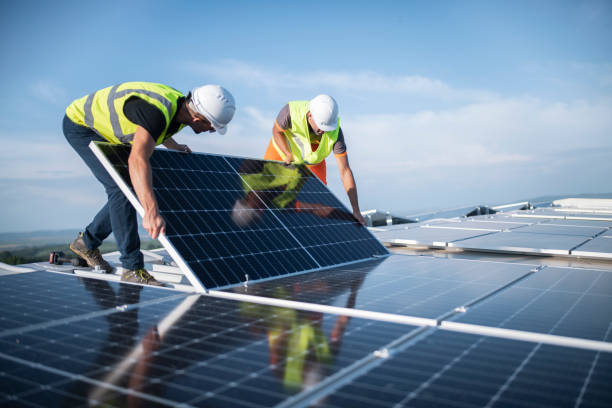
Two engineers installing solar panels on roof. Team of two engineers installing solar panels on roof. Commercial Roofing stock pictures, royalty-free photos & images

Which Commercial Flat Roofing System is Best for Your Business in Phoenix, AZ

Choosing the right commercial roofing system for your business is a critical decision that impacts both the short-term and long-term performance of your building. Not all roofing systems are created equal, and each comes with distinct advantages and limitations. To determine which system best meets your needs, you should consider factors such as the climate, building structure, budget, and maintenance requirements. Below is a detailed breakdown of popular commercial roofing systems to help guide your decision.

1. Built-Up Roofing (BUR)

Built-up roofing, often referred to as “tar-and-gravel” roofs, has been a reliable choice for decades.

Key Features:
– Multiple layers of bitumen (asphalt or coal tar) alternated with reinforcing materials like felt or fiberglass sheets.
– Gravel or mineral surface added to protect against UV damage and weather elements.

Advantages:
– Durable with excellent waterproofing capabilities.
– Provides insulation due to its thickness.

Considerations:
– Can be heavy; may not suit all structures.
– Installation process can be time-consuming.

2. Modified Bitumen Roofing (MBR)

This system builds on traditional BUR but adds polymer-modified layers for improved performance.

Key Features:
– Reinforced sheets made from asphalt modified with plastic or rubber polymers. – Installed using heat-welding or adhesives.

Advantages:
– Strong resistance to cracks and tears. – Compatible with roofs experiencing heavy foot traffic.

Considerations:
– Requires skilled labor for proper installation.

a) Thermoplastic Polyolefin (TPO) Roofing

A popular choice due to its affordability and energy efficiency.

Feature Benefit
Reflectivity Reduces energy costs by reflecting sunlight.
Lightweight Easy installation on most structures.
b) Ethylene Propylene Diene Monomer (EPDM)

A durable synthetic rubber membrane that performs well in extreme temperatures.

Pros Cons
Excellent UV resistance Limited color options (mostly black).
Long lifespan May absorb heat in hot climates.
c) Polyvinyl Chloride (PVC)

Known for its superior chemical resistance and durability over time.

3. Metal Roofing Systems

Metal roofs are commonly used for commercial buildings due to their longevity and strength.

Key Features:
– Made from aluminum, steel, zinc, or copper panels. – Often coated with protective finishes to resist corrosion.

Advantages:
– Lifespan often exceeds 40+ years. – Eco-friendly option as many metal roofs are recyclable.

Considerations:
– Higher upfront cost compared to other systems. – Noise during rainstorms may require insulation layers beneath the surface.

Factors to Consider When Selecting a System

  1. Building Use & Design: Flat vs sloped roofs will influence which systems are practical choices.
  2. Local Climate Conditions: Regions prone to high winds, heavy rainfall, or excessive heat may require more robust materials like metal or TPO.
  3. Budget Constraints: While some systems like PVC may cost more initially, they can offer lower maintenance costs over their lifetime.
  4. Maintenance Requirements: Consider whether you have a team capable of handling routine inspections and repairs or if you prefer low-maintenance options like EPDM.
  5. Energy Efficiency Goals: Reflective materials like TPO can reduce cooling expenses in warmer regions.

By carefully evaluating these factors along with the available options outlined above, business owners can select the roofing solution that aligns best with their operational needs while maximizing return on investment over time.

Understanding the Different Types of Commercial Roof Warranties and What They Cover

When investing in a commercial roofing system, understanding the warranties available is a critical step in protecting your investment. Roof warranties not only provide peace of mind but also ensure that you are prepared for unexpected issues. Here’s a detailed breakdown of the different types of commercial roof warranties, what they typically cover, and how to navigate them effectively.

Types of Commercial Roof Warranties

  1. Covers defects in manufacturing or material issues.
  2. Typically valid for 10–30 years, depending on the product and manufacturer.
  3. Does not generally include labor or installation-related problems.
  4. Provided by the contractor who installs the roof.
  5. Covers issues arising from improper installation techniques or errors during installation.
  6. Duration varies widely, often between 1–10 years.
  7. Covers both material defects and installation errors.
  8. Offered by some manufacturers, ensuring comprehensive protection.
  9. May come with specific maintenance requirements to remain valid.
  10. Not technically a warranty but often offered alongside one.
  11. Requires periodic inspections and maintenance to maintain warranty coverage.
Warranty Type Covers Materials? Covers Installation? Typical Duration
Manufacturer’s Material 10–30 years
Workmanship 1–10 years
Full-System Varies

What Warranties Typically Cover

  • Leaks caused by material defects or improper installation (depending on type).
  • Premature failure of roofing components due to manufacturing flaws.
  • Certain repair costs if damage occurs within the warranty period.

What Warranties Typically Exclude

  • Damage caused by natural disasters such as hurricanes, tornadoes, or earthquakes (often falls under insurance claims).
  • Neglecting routine maintenance or inspections as specified in the warranty agreement.
  • Unauthorized modifications or repairs made without approval from the manufacturer or contractor.

Key Considerations When Reviewing a Roof Warranty

  1. Understand Coverage Details: Read through all terms and conditions carefully to know exactly what is covered—and what isn’t.
  2. Check Transferability: If you sell your property, can the warranty be transferred to the new owner?
  3. Maintenance Requirements: Ensure you meet inspection schedules and care guidelines outlined in your warranty agreement.
  4. Exclusions: Take note of any exclusions that could limit your ability to make a claim later.

Tips for Maximizing Your Warranty Benefits

  • Schedule regular inspections with certified professionals to identify potential issues early.
  • Keep detailed documentation of all maintenance performed on your roof.
  • Address minor problems quickly before they escalate into larger issues that may not be covered under your warranty.

Commercial roof warranties serve as essential tools for mitigating risk and safeguarding your investment in roofing infrastructure. By understanding their scope, limitations, and requirements, building owners can make informed decisions that align with their long-term goals for durability and performance.

Key Factors That Impact the Lifespan of Your Commercial Roof

When investing in a commercial roof, understanding the factors that influence its lifespan is essential for maximizing the return on your investment. A commercial roof is a long-term investment, and its durability depends on several critical factors. Proper care, high-quality materials, and regular maintenance all contribute to ensuring your roof serves its intended life expectancy.

1. Quality of Materials

  • TPO (Thermoplastic Polyolefin): Typically lasts 15-20 years with proper maintenance.
  • EPDM (Ethylene Propylene Diene Monomer): Known for durability; lifespan ranges from 20-30 years.
  • Modified Bitumen: Offers resistance to harsh weather conditions with an average life expectancy of 20 years.
  • Metal Roofing: One of the longest-lasting options, often exceeding 40 years with appropriate care.

Opting for high-quality materials may involve higher upfront costs but will generally reduce repair needs and extend the overall lifespan.

2. Installation Practices

  • Follow manufacturer guidelines during installation.
  • Adequately prepare surfaces before applying roofing systems.
  • Use proper techniques to create watertight seals at seams and edges.

Poor workmanship can lead to issues such as leaks, ponding water, or premature wear over time.

3. Environmental Factors

Environmental Condition Potential Impact on Roof Lifespan
Heavy Rainfall Risk of leaks or water damage
Extreme Heat Accelerated membrane degradation
Snow & Ice Structural stress or ice damming
High Winds Risk of material uplift or tears

Choosing roofing systems designed for specific weather challenges in your region will help mitigate these risks.

4. Regular Maintenance and Inspections

  • Scheduling biannual inspections (spring and fall).
  • Clearing debris from gutters, drains, and downspouts.
  • Addressing minor repairs promptly to avoid costly fixes later.
  • Monitoring for signs such as blistering, cracks, or pooling water.

A well-maintained roof will last significantly longer than one that is neglected over time.

5. Roof Design Considerations

  • Flat vs Sloped Roofs: Flat roofs are more prone to water pooling compared to sloped designs that promote drainage.
  • Drainage Systems: Inadequate drainage can lead to standing water and structural deterioration.
  • Ventilation: Poor ventilation may trap heat or moisture, causing membranes or other components to degrade prematurely.

Design choices should align with both functional needs and local environmental conditions.

Final Thoughts on Extending Roof Longevity

Maximizing the lifespan of your commercial roof requires an integrated approach involving quality materials, professional installation practices, regular maintenance efforts, and tailored design decisions suited to your building’s environment. By addressing these key factors proactively, you can protect your investment while minimizing long-term repair costs and disruptions to business operations.


Comprehensive Guide to Commercial Roofing in Phoenix, AZ

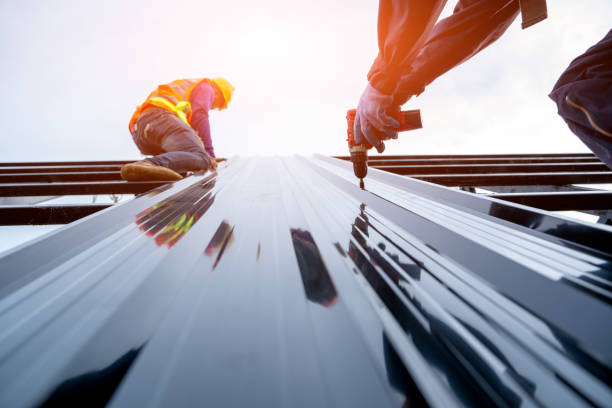
Roofer worker in special protective work wear use electric drill installing new roofs. Roofer worker in special protective work wear use electric drill installing new roofs with metal sheet on top of roof. Commercial Roofing stock pictures, royalty-free photos & images

Commercial roofing systems are a cornerstone of any commercial property, providing protection, energy efficiency, and aesthetic appeal. Understanding the various types of roofing systems available can help property owners and managers make informed decisions that align with their specific needs and budgets. This guide will provide an overview of common commercial roofing systems, their advantages, and key considerations to keep in mind.

Types of Commercial Roofing Systems

  • Lightweight and flexible
  • Highly resistant to UV radiation and weathering
  • Commonly installed in large-scale buildings due to its ease of application
  • Known for its durability and longevity (can last 40-70 years)
  • Offers superior wind resistance
  • Available in materials such as aluminum, steel, copper, or zinc
  • Composed of alternating layers of bitumen and reinforcing fabrics
  • Provides excellent waterproofing capabilities
  • Ideal for low-slope or flat roofs
  • Features layers reinforced with polymers for added flexibility
  • Offers strong tear resistance, making it suitable for high-traffic areas on rooftops
  • Seamless application allows for superior waterproofing
  • Ideal for irregularly shaped roofs or challenging roof designs
  • Features vegetation planted over a waterproof membrane
  • Provides natural insulation and helps reduce urban heat islands

Key Benefits Across Commercial Roofing Systems

  • Energy Efficiency: Reflective properties in some roofing systems like TPO or metal help reduce cooling costs by minimizing heat absorption.
  • Longevity: High-quality materials such as metal can sustain decades of use with proper maintenance.
  • Sustainability: Options like green roofs promote eco-friendliness by improving air quality and reducing energy consumption.
  • Flexibility: Liquid-applied membranes or single-ply roofing adapt well to unique structural designs.

Comparison Table: Popular Commercial Roof Types at a Glance

Type Lifespan Key Feature Ideal For
Single-Ply Roofing 20–30 years Lightweight & UV resistant Large-scale flat/low-slope roofs
Metal Roofing 40–70 years Durable & weather-resistant Long-term cost savings
BUR 15–30 years Multiple waterproofing layers Low-slope roofs requiring durability
Modified Bitumen 20–25 years Tear-resistant High-foot traffic areas
Liquid Membrane 10–20 years Seamless waterproofing Irregular roof shapes

Maintenance Considerations

  • Schedule annual inspections by licensed professionals.
  • Clear debris from drains to prevent water pooling.
  • Repair small cracks or punctures promptly before they become larger issues.
  • Consider applying reflective coatings where applicable to extend material life.

When selecting a roofing system for your business property, balancing cost-effectiveness with long-term benefits is vital. Evaluating your building’s location-specific challenges (such as climate conditions), intended use, budget constraints, and energy efficiency goals will ensure you make the most suitable choice tailored to your needs.

Key Considerations for Building Owners When Choosing a Commercial Roofing Company Phoenix, AZ

Selecting the right commercial roofing system is a critical decision for building owners. The roof not only protects the structure and its contents but also plays a significant role in energy efficiency, maintenance costs, and the overall lifespan of the building. Below are key considerations to keep in mind when choosing a commercial roofing system.

How Climate and Weather Conditions Impact a Commercial Roofing Contractor Phoenix, AZ

  • Hot Climates: Reflective materials like TPO or cool roofs with high solar reflectance reduce heat absorption, lowering energy costs.
  • Cold Climates: Insulated systems such as built-up roofs (BUR) or modified bitumen can help minimize heat loss.
  • Areas with Heavy Rain or Snow: Metal roofs with effective drainage systems or sloped designs prevent water pooling and snow accumulation.

Understanding how climate impacts the durability of certain materials is vital for long-term performance.

Durability and Longevity of Industrial Roofing in Phoenix, AZ

Material Lifespan (Years) Maintenance Needs Cost
Single-Ply Membranes 15–25 Low to Moderate Moderate
Metal Roofs 40–70 Low Higher
Built-Up Roofs (BUR) 20–30 Moderate to High Moderate
Liquid Membrane Coatings 10–20 (extendable) Low Moderate

Durability directly affects replacement frequency, long-term expenses, and operational downtime during repairs.

Energy Efficiency Tips for Commercial Flat Roofing in Phoenix, AZ

  • Reflective Surfaces: Materials like TPO, PVC, or cool roof coatings reflect sunlight instead of absorbing it.
  • Insulation: Adding insulation under roofing membranes improves energy retention.
  • Green Roofs: Installing vegetation on flat rooftops provides natural insulation and reduces urban heat islands.

Investing in an energy-efficient system often leads to cost savings through utility bills over time.

Managing Budget Constraints for Commercial Roof Installation Phoenix, AZ

  • For a lower upfront cost, single-ply membranes like EPDM are a good option.
  • While metal roofs have higher initial costs, their long lifespan can make them more economical over time.
  • Depending on available resources, some owners may prioritize low-maintenance options to minimize upkeep costs.

A detailed cost-benefit analysis will help align your selection with financial constraints.

5. Roof Design

Flat Roofs:

Flat roofs commonly use single-ply membranes (TPO/PVC/EPDM), built-up systems, or liquid-applied coatings due to ease of application on flat surfaces.

Sloped Roofs:

Sloped structures often accommodate metal panels or asphalt shingles more effectively than other types.

Ensure compatibility between material specifications and structural design for optimal results.

Final Thoughts

Carefully evaluating these factors—climate impacts, durability, energy efficiency potential, budget constraints, and roof design—will guide building owners toward the best commercial roofing system for their needs. Making an informed choice now can save time and money while maximizing value over your roof’s lifetime.

professional roofer applying tar with blowtorch on new roofing felt for waterproofing a flat roof construction site with safety gear professional roofer applying tar with blowtorch on new roofing felt for waterproofing a flat roof construction site with safety gear Commercial Roofing stock pictures, royalty-free photos & images

Understanding the Different Styles of Commercial Roofs

Selecting an appropriate roofing style for a commercial property plays a critical role in ensuring long-term durability, cost-efficiency, and functionality. Each roofing style offers unique features tailored to specific needs, climatic conditions, and building designs. Below is an in-depth guide to popular commercial roof styles.

1. Flat Roofs

Flat roofs are one of the most common styles in commercial buildings due to their simplicity and cost-effectiveness. They are designed with a slight slope for water drainage.

Advantages:
Cost-efficient Installation: Flat roofs typically require fewer materials and less labor compared to pitched alternatives.
Ease of Maintenance: Their accessible surface makes inspections and repairs easier.
Rooftop Utilization: Flat roofs can support HVAC systems, solar panels, or serve as additional storage space.

Considerations:
– May require regular maintenance to prevent water ponding.
– Shorter lifespan compared to other roofing styles without proper upkeep.

2. Pitched Roofs

Pitched roofs feature a sloped design that facilitates better water runoff, making them ideal for areas with heavy rainfall or snowfall.

Advantages:
Enhanced Drainage Systems: The steep slope helps avoid water accumulation on the roof surface.
Longevity: Pitched roofs often last longer due to reduced exposure to standing water.

Considerations:
– Generally more expensive due to higher material and labor costs during installation.
– Limited rooftop space for equipment placement like HVAC units.

3. Metal Roofs

Metal roofing systems can be designed as flat or pitched depending on the building’s structural requirements and aesthetic preferences.

Advantages:
– Durability: Metal roofs can withstand harsh weather conditions such as windstorms and hail damage. – Energy Efficiency: Reflective coatings improve insulation, leading to lower cooling costs.

Drawbacks:
However, initial costs may be higher than traditional asphalt-based materials.

Comparative Table of Commercial Roofing Styles

Style Cost Lifespan Maintenance Best For
Flat Roof Low 15–20 years Moderate Urban buildings with HVAC systems
Pitched Roof Medium 25–50 years Low Areas prone-to sparse .Sn

Exploring the Benefits of Single Ply Roofing for Commercial Properties

Single ply roofing systems have become increasingly popular in the commercial sector due to their versatility, durability, and cost-effectiveness. These systems are constructed using flexible sheets of synthetic polymer material that can be installed in a single layer. Below, we explore the key benefits of single ply roofing systems and why they are an excellent choice for commercial properties.

1. Ease of Installation

  • Single ply membranes are lightweight and easy to handle, making installation faster compared to more traditional roofing materials.
  • Available in large rolls, they minimize the number of seams required, which reduces installation complexities and potential weak points.
  • Compatible with various insulation types and substrates.

2. Durability and Longevity

  • Resistant to UV radiation: Many single ply membranes include UV-resistant formulations that protect against sun damage.
  • Flexibility: They can expand and contract with temperature changes without cracking or degrading.
  • Exceptional weather resistance: With proper maintenance, these roofs can withstand harsh conditions such as heavy rain, snow, hail, and high winds.

3. Energy Efficiency

  • Reflective surfaces: Many single-ply membranes (such as TPO or PVC) come with light-colored reflective surfaces that reduce heat absorption, lowering energy costs for cooling systems.
  • Enhanced insulation compatibility: These roofs work well with various insulation materials, allowing building owners to achieve the desired R-values for energy efficiency.

4. Cost Effectiveness

  • Lower upfront costs compared to materials like metal or built-up roofing (BUR).
  • Reduced labor expenses due to quicker installation times.
  • Minimal maintenance requirements mean lower ongoing costs over time.

Types of Single Ply Roofing Materials

Material Type Description Key Features
TPO (Thermoplastic Polyolefin) A popular choice for its affordability and energy efficiency. Heat-weldable seams; UV resistant; highly reflective surface ideal for hot climates.
PVC (Polyvinyl Chloride) Known for its durability and chemical resistance. Excellent flexibility; resists grease/oil exposure; long service life when maintained properly.
EPDM (Ethylene Propylene Diene Monomer) A rubber-based membrane known for its flexibility in cold temperatures. Superior weather resistance; available in black or white; environmentally friendly option due to recyclability.

Environmental Advantages

Many businesses today look for sustainable solutions when it comes to construction materials. Single ply roofing aligns well with these objectives through: – Recyclable materials: Some membranes like EPDM can be recycled at the end of their life cycle. – Solar panel integration: Lightweight construction makes it easier to install solar panels on top. – Reduction in urban heat islands: Reflective options contribute significantly by mitigating heat absorption into cities.

Maintenance Tips

To ensure a long service life for your single ply roof: – Conduct regular inspections twice a year (spring/fall) and after major weather events. – Keep gutters clean and free from debris that could trap water. – Address punctures or tears promptly using manufacturer-recommended repair techniques.

By understanding these benefits and proactively maintaining your roof system, building owners can maximize their investment while ensuring long-lasting performance tailored to their business needs.

Single-ply roofing offers a diverse range of advantages suitable for various commercial applications—from retail spaces to warehouses—making it one of the most sought-after choices in contemporary commercial roofing solutions.

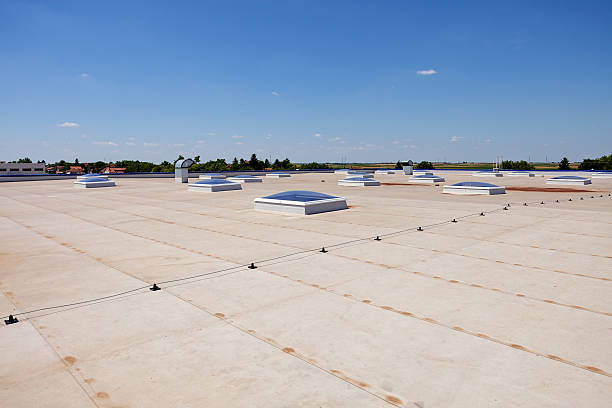
flat roof on industrial hall Flat roof with skylight and hydro insulation membranes Commercial Roofing stock pictures, royalty-free photos & images

A Complete Overview of Metal Roofs for Commercial Buildings

Metal roofing has become a popular choice for commercial buildings due to its durability, energy efficiency, and long-term cost savings. Understanding its features, benefits, and considerations can help building owners make informed decisions about whether a metal roof is the right choice for their property.

Key Features of Metal Roofs for Commercial Buildings

  • Material Options:
    Metal roofs are available in a variety of materials such as steel, aluminum, copper, and zinc. Each material offers unique advantages:
  • Steel: Strong and cost-effective when coated with protective finishes.
  • Aluminum: Lightweight and resistant to corrosion.
  • Copper: Aesthetic appeal with exceptional longevity but higher costs.
  • Zinc: Environmentally friendly with natural weathering abilities.
  • Coatings:
    Metal roofs often feature protective coatings like galvanized or galvalume finishes to enhance resistance to rust and corrosion.
  • Design Flexibility:
    Available in standing seam panels, corrugated sheets, or tiles to suit varying architectural designs.

Benefits of Choosing Metal Roofs

  1. Durability and Longevity:
    Properly installed metal roofs can last 40–70 years or more with minimal maintenance. They resist common issues like cracking, shrinking, or warping that are prevalent in other roofing materials.
  2. Energy Efficiency:
    Many metal roofs come with reflective coatings that reduce heat absorption, helping maintain cooler indoor temperatures during warm months. This can lead to lower energy bills for cooling systems.
  3. Most metal roofing materials are recyclable at the end of their lifespan.
  4. Many options include upcycled content during production processes.
  5. Weather Resistance:
    Designed to withstand various weather conditions:
  6. High wind speeds
  7. Heavy rain
  8. Snow load Additionally, some metal roofing systems are fire-resistant (Class A rating).
  9. Low Maintenance Requirements:
    Routine inspections aside, metal roofs typically require less upkeep compared to asphalt or membrane-based systems.

Cost Considerations of Metal Roofs

Type Average Cost Per Square Foot Installed (USD) Lifespan (Years)
Steel $5–$12 40–50
Aluminum $9–$14 50+
Copper $15–$25+ 70+
Zinc $10–$20 60+

While the initial investment in a metal roof may be higher than alternatives like asphalt shingles or single-ply membranes, its longevity often offsets these costs over time through reduced maintenance expenses and extended service life.

Applications for Commercial Use

Metal roofs suit many types of commercial properties such as: – Warehouses – Office buildings – Retail spaces – Industrial facilities

The flexibility in design allows them to complement both modern structures and historical renovations alike.

Drawbacks Worth Noting

While offering numerous advantages, it’s important to consider potential challenges associated with metal roofing: – Noise Levels: Without proper insulation beneath the roof deck, rain or hail may produce noticeable noise. – Expansion/Contraction Issues: Metals expand and contract due to temperature changes; incorrect installation could cause fastener issues over time. – Higher Upfront Costs: Initial investment may not align with every project budget despite long-term savings.

By carefully evaluating these factors alongside their project needs, building owners can determine whether investing in a metal roof aligns with their operational goals while ensuring optimal performance over decades of use.

The Advantages of Liquid Membrane Roofs for Modern Commercial Structures

Liquid membrane roofing systems have become increasingly popular in modern commercial construction, offering a range of benefits that cater to both functionality and cost-effectiveness. Designed as a seamless and flexible solution, these roofs meet the diverse needs of today’s commercial buildings. Below, we’ll explore the key advantages of liquid membrane roofs.

Key Features of Liquid Membrane Roofing Systems

  • Seamless Application: Because they are applied as a liquid, there are no joints or seams where leaks typically develop in traditional roofing systems.
  • Flexibility: These membranes can stretch and contract with building movement or temperature changes, reducing the risk of cracking.
  • Compatibility: They can be installed on various substrates such as concrete, metal, or existing roofing materials.

Benefits for Commercial Properties

The unique properties of liquid membrane roofing systems make them highly advantageous for modern commercial structures.

  1. Liquid membranes create an impermeable barrier that prevents water infiltration.
  2. Ideal for flat or low-slope rooftops where water pooling is common.
  3. Certain formulations come with reflective coatings that reduce heat absorption.
  4. Lower energy costs by improving thermal regulation within the building.
  5. Resistant to UV rays, weathering, and environmental factors like chemicals and pollutants.
  6. Long lifespan when properly maintained—lasting up to 20 years or more in some cases.
  7. Suitable for new installations or as a restoration layer over existing roofs.
  8. Available in various types (e.g., polyurethane-based membranes or acrylic-based solutions) to suit specific project needs.
  9. Reduces labor costs due to quick installation compared to traditional roofing materials.
  10. Minimizes maintenance expenses over time thanks to its resilience against damage.

Common Applications

Application Type Example Structures
Flat Roofs Warehouses, shopping centers
Irregularly Shaped Roofs Industrial complexes
Green Roof Systems Eco-friendly office buildings
Roof Repairs Retrofitting older structures

Maintenance Tips

  • Conduct regular inspections at least twice per year (spring and fall).
  • Clean drains and gutters to prevent standing water on the roof surface.
  • Address minor abrasions or cracks promptly using compatible liquid sealants.

Liquid membrane roofs offer an innovative solution for modern commercial buildings seeking durability, energy efficiency, and cost savings without compromising on performance. With proper installation and maintenance practices, this roofing option can provide long-term protection while meeting unique structural demands effectively.