
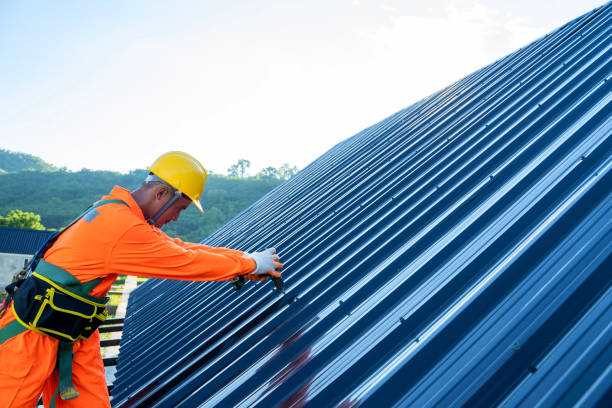
Commercial roofing systems are a cornerstone of any commercial property, providing protection, energy efficiency, and aesthetic appeal. Understanding the various types of roofing systems available can help property owners and managers make informed decisions that align with their specific needs and budgets. This guide will provide an overview of common commercial roofing systems, their advantages, and key considerations to keep in mind.
Types of Commercial Roofing Systems
- Lightweight and flexible
- Highly resistant to UV radiation and weathering
- Commonly installed in large-scale buildings due to its ease of application
- Known for its durability and longevity (can last 40-70 years)
- Offers superior wind resistance
- Available in materials such as aluminum, steel, copper, or zinc
- Composed of alternating layers of bitumen and reinforcing fabrics
- Provides excellent waterproofing capabilities
- Ideal for low-slope or flat roofs
- Features layers reinforced with polymers for added flexibility
- Offers strong tear resistance, making it suitable for high-traffic areas on rooftops
- Seamless application allows for superior waterproofing
- Ideal for irregularly shaped roofs or challenging roof designs
- Features vegetation planted over a waterproof membrane
- Provides natural insulation and helps reduce urban heat islands
Key Benefits Across Commercial Roofing Systems
- Energy Efficiency: Reflective properties in some roofing systems like TPO or metal help reduce cooling costs by minimizing heat absorption.
- Longevity: High-quality materials such as metal can sustain decades of use with proper maintenance.
- Sustainability: Options like green roofs promote eco-friendliness by improving air quality and reducing energy consumption.
- Flexibility: Liquid-applied membranes or single-ply roofing adapt well to unique structural designs.
Comparison Table: Popular Commercial Roof Types at a Glance
| Type | Lifespan | Key Feature | Ideal For |
| Single-Ply Roofing | 20–30 years | Lightweight & UV resistant | Large-scale flat/low-slope roofs |
| Metal Roofing | 40–70 years | Durable & weather-resistant | Long-term cost savings |
| BUR | 15–30 years | Multiple waterproofing layers | Low-slope roofs requiring durability |
| Modified Bitumen | 20–25 years | Tear-resistant | High-foot traffic areas |
| Liquid Membrane | 10–20 years | Seamless waterproofing | Irregular roof shapes |
Maintenance Considerations
- Schedule annual inspections by licensed professionals.
- Clear debris from drains to prevent water pooling.
- Repair small cracks or punctures promptly before they become larger issues.
- Consider applying reflective coatings where applicable to extend material life.
When selecting a roofing system for your business property, balancing cost-effectiveness with long-term benefits is vital. Evaluating your building’s location-specific challenges (such as climate conditions), intended use, budget constraints, and energy efficiency goals will ensure you make the most suitable choice tailored to your needs.
Key Considerations for Building Owners When Choosing a Commercial Roofing Company Phoenix, AZ
Selecting the right commercial roofing system is a critical decision for building owners. The roof not only protects the structure and its contents but also plays a significant role in energy efficiency, maintenance costs, and the overall lifespan of the building. Below are key considerations to keep in mind when choosing a commercial roofing system.
How Climate and Weather Conditions Impact a Commercial Roofing Contractor Phoenix, AZ
- Hot Climates: Reflective materials like TPO or cool roofs with high solar reflectance reduce heat absorption, lowering energy costs.
- Cold Climates: Insulated systems such as built-up roofs (BUR) or modified bitumen can help minimize heat loss.
- Areas with Heavy Rain or Snow: Metal roofs with effective drainage systems or sloped designs prevent water pooling and snow accumulation.
Understanding how climate impacts the durability of certain materials is vital for long-term performance.
Durability and Longevity of Industrial Roofing in Phoenix, AZ
| Material | Lifespan (Years) | Maintenance Needs | Cost |
| Single-Ply Membranes | 15–25 | Low to Moderate | Moderate |
| Metal Roofs | 40–70 | Low | Higher |
| Built-Up Roofs (BUR) | 20–30 | Moderate to High | Moderate |
| Liquid Membrane Coatings | 10–20 (extendable) | Low | Moderate |
Durability directly affects replacement frequency, long-term expenses, and operational downtime during repairs.
Energy Efficiency Tips for Commercial Flat Roofing in Phoenix, AZ
- Reflective Surfaces: Materials like TPO, PVC, or cool roof coatings reflect sunlight instead of absorbing it.
- Insulation: Adding insulation under roofing membranes improves energy retention.
- Green Roofs: Installing vegetation on flat rooftops provides natural insulation and reduces urban heat islands.
Investing in an energy-efficient system often leads to cost savings through utility bills over time.
Managing Budget Constraints for Commercial Roof Installation Phoenix, AZ
- For a lower upfront cost, single-ply membranes like EPDM are a good option.
- While metal roofs have higher initial costs, their long lifespan can make them more economical over time.
- Depending on available resources, some owners may prioritize low-maintenance options to minimize upkeep costs.
A detailed cost-benefit analysis will help align your selection with financial constraints.
5. Roof Design
Flat Roofs:
Flat roofs commonly use single-ply membranes (TPO/PVC/EPDM), built-up systems, or liquid-applied coatings due to ease of application on flat surfaces.
Sloped Roofs:
Sloped structures often accommodate metal panels or asphalt shingles more effectively than other types.
Ensure compatibility between material specifications and structural design for optimal results.
Final Thoughts
Carefully evaluating these factors—climate impacts, durability, energy efficiency potential, budget constraints, and roof design—will guide building owners toward the best commercial roofing system for their needs. Making an informed choice now can save time and money while maximizing value over your roof’s lifetime.

Understanding the Different Styles of Commercial Roofs
Selecting an appropriate roofing style for a commercial property plays a critical role in ensuring long-term durability, cost-efficiency, and functionality. Each roofing style offers unique features tailored to specific needs, climatic conditions, and building designs. Below is an in-depth guide to popular commercial roof styles.
1. Flat Roofs
Flat roofs are one of the most common styles in commercial buildings due to their simplicity and cost-effectiveness. They are designed with a slight slope for water drainage.
Advantages:
– Cost-efficient Installation: Flat roofs typically require fewer materials and less labor compared to pitched alternatives.
– Ease of Maintenance: Their accessible surface makes inspections and repairs easier.
– Rooftop Utilization: Flat roofs can support HVAC systems, solar panels, or serve as additional storage space.
Considerations:
– May require regular maintenance to prevent water ponding.
– Shorter lifespan compared to other roofing styles without proper upkeep.
2. Pitched Roofs
Pitched roofs feature a sloped design that facilitates better water runoff, making them ideal for areas with heavy rainfall or snowfall.
Advantages:
– Enhanced Drainage Systems: The steep slope helps avoid water accumulation on the roof surface.
– Longevity: Pitched roofs often last longer due to reduced exposure to standing water.
Considerations:
– Generally more expensive due to higher material and labor costs during installation.
– Limited rooftop space for equipment placement like HVAC units.
3. Metal Roofs
Metal roofing systems can be designed as flat or pitched depending on the building’s structural requirements and aesthetic preferences.
Advantages:
– Durability: Metal roofs can withstand harsh weather conditions such as windstorms and hail damage. – Energy Efficiency: Reflective coatings improve insulation, leading to lower cooling costs.
Drawbacks:
However, initial costs may be higher than traditional asphalt-based materials.
Comparative Table of Commercial Roofing Styles
| Style | Cost | Lifespan | Maintenance | Best For |
| Flat Roof | Low | 15–20 years | Moderate | Urban buildings with HVAC systems |
| Pitched Roof | Medium | 25–50 years | Low | Areas prone-to sparse .Sn |
Exploring the Benefits of Single Ply Roofing for Commercial Properties
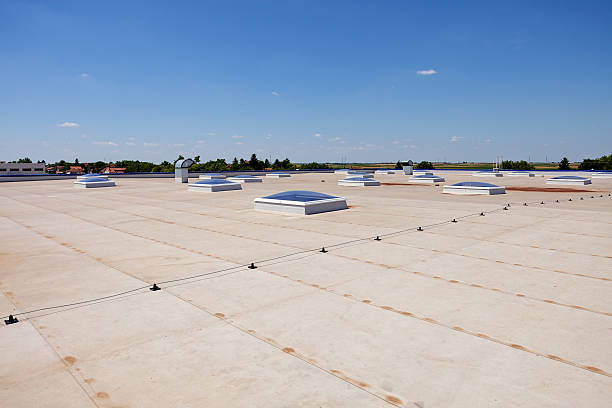
Single ply roofing systems have become increasingly popular in the commercial sector due to their versatility, durability, and cost-effectiveness. These systems are constructed using flexible sheets of synthetic polymer material that can be installed in a single layer. Below, we explore the key benefits of single ply roofing systems and why they are an excellent choice for commercial properties.
1. Ease of Installation
- Single ply membranes are lightweight and easy to handle, making installation faster compared to more traditional roofing materials.
- Available in large rolls, they minimize the number of seams required, which reduces installation complexities and potential weak points.
- Compatible with various insulation types and substrates.
2. Durability and Longevity
- Resistant to UV radiation: Many single ply membranes include UV-resistant formulations that protect against sun damage.
- Flexibility: They can expand and contract with temperature changes without cracking or degrading.
- Exceptional weather resistance: With proper maintenance, these roofs can withstand harsh conditions such as heavy rain, snow, hail, and high winds.
3. Energy Efficiency
- Reflective surfaces: Many single-ply membranes (such as TPO or PVC) come with light-colored reflective surfaces that reduce heat absorption, lowering energy costs for cooling systems.
- Enhanced insulation compatibility: These roofs work well with various insulation materials, allowing building owners to achieve the desired R-values for energy efficiency.
4. Cost Effectiveness
- Lower upfront costs compared to materials like metal or built-up roofing (BUR).
- Reduced labor expenses due to quicker installation times.
- Minimal maintenance requirements mean lower ongoing costs over time.
Types of Single Ply Roofing Materials
| Material Type | Description | Key Features |
| TPO (Thermoplastic Polyolefin) | A popular choice for its affordability and energy efficiency. | Heat-weldable seams; UV resistant; highly reflective surface ideal for hot climates. |
| PVC (Polyvinyl Chloride) | Known for its durability and chemical resistance. | Excellent flexibility; resists grease/oil exposure; long service life when maintained properly. |
| EPDM (Ethylene Propylene Diene Monomer) | A rubber-based membrane known for its flexibility in cold temperatures. | Superior weather resistance; available in black or white; environmentally friendly option due to recyclability. |
Environmental Advantages
Many businesses today look for sustainable solutions when it comes to construction materials. Single ply roofing aligns well with these objectives through: – Recyclable materials: Some membranes like EPDM can be recycled at the end of their life cycle. – Solar panel integration: Lightweight construction makes it easier to install solar panels on top. – Reduction in urban heat islands: Reflective options contribute significantly by mitigating heat absorption into cities.
Maintenance Tips
To ensure a long service life for your single ply roof: – Conduct regular inspections twice a year (spring/fall) and after major weather events. – Keep gutters clean and free from debris that could trap water. – Address punctures or tears promptly using manufacturer-recommended repair techniques.
By understanding these benefits and proactively maintaining your roof system, building owners can maximize their investment while ensuring long-lasting performance tailored to their business needs.
Single-ply roofing offers a diverse range of advantages suitable for various commercial applications—from retail spaces to warehouses—making it one of the most sought-after choices in contemporary commercial roofing solutions.
A Complete Overview of Metal Roofs for Commercial Buildings
Metal roofing has become a popular choice for commercial buildings due to its durability, energy efficiency, and long-term cost savings. Understanding its features, benefits, and considerations can help building owners make informed decisions about whether a metal roof is the right choice for their property.
Key Features of Metal Roofs for Commercial Buildings
- Material Options:
Metal roofs are available in a variety of materials such as steel, aluminum, copper, and zinc. Each material offers unique advantages: - Steel: Strong and cost-effective when coated with protective finishes.
- Aluminum: Lightweight and resistant to corrosion.
- Copper: Aesthetic appeal with exceptional longevity but higher costs.
- Zinc: Environmentally friendly with natural weathering abilities.
- Coatings:
Metal roofs often feature protective coatings like galvanized or galvalume finishes to enhance resistance to rust and corrosion. - Design Flexibility:
Available in standing seam panels, corrugated sheets, or tiles to suit varying architectural designs.
Benefits of Choosing Metal Roofs
- Durability and Longevity:
Properly installed metal roofs can last 40–70 years or more with minimal maintenance. They resist common issues like cracking, shrinking, or warping that are prevalent in other roofing materials. - Energy Efficiency:
Many metal roofs come with reflective coatings that reduce heat absorption, helping maintain cooler indoor temperatures during warm months. This can lead to lower energy bills for cooling systems. - Most metal roofing materials are recyclable at the end of their lifespan.
- Many options include upcycled content during production processes.
- Weather Resistance:
Designed to withstand various weather conditions: - High wind speeds
- Heavy rain
- Snow load Additionally, some metal roofing systems are fire-resistant (Class A rating).
- Low Maintenance Requirements:
Routine inspections aside, metal roofs typically require less upkeep compared to asphalt or membrane-based systems.
Cost Considerations of Metal Roofs
| Type | Average Cost Per Square Foot Installed (USD) | Lifespan (Years) |
| Steel | $5–$12 | 40–50 |
| Aluminum | $9–$14 | 50+ |
| Copper | $15–$25+ | 70+ |
| Zinc | $10–$20 | 60+ |
While the initial investment in a metal roof may be higher than alternatives like asphalt shingles or single-ply membranes, its longevity often offsets these costs over time through reduced maintenance expenses and extended service life.
Applications for Commercial Use
Metal roofs suit many types of commercial properties such as: – Warehouses – Office buildings – Retail spaces – Industrial facilities
The flexibility in design allows them to complement both modern structures and historical renovations alike.
Drawbacks Worth Noting
While offering numerous advantages, it’s important to consider potential challenges associated with metal roofing: – Noise Levels: Without proper insulation beneath the roof deck, rain or hail may produce noticeable noise. – Expansion/Contraction Issues: Metals expand and contract due to temperature changes; incorrect installation could cause fastener issues over time. – Higher Upfront Costs: Initial investment may not align with every project budget despite long-term savings.
By carefully evaluating these factors alongside their project needs, building owners can determine whether investing in a metal roof aligns with their operational goals while ensuring optimal performance over decades of use.
The Advantages of Liquid Membrane Roofs for Modern Commercial Structures
Liquid membrane roofing systems have become increasingly popular in modern commercial construction, offering a range of benefits that cater to both functionality and cost-effectiveness. Designed as a seamless and flexible solution, these roofs meet the diverse needs of today’s commercial buildings. Below, we’ll explore the key advantages of liquid membrane roofs.
Key Features of Liquid Membrane Roofing Systems
- Seamless Application: Because they are applied as a liquid, there are no joints or seams where leaks typically develop in traditional roofing systems.
- Flexibility: These membranes can stretch and contract with building movement or temperature changes, reducing the risk of cracking.
- Compatibility: They can be installed on various substrates such as concrete, metal, or existing roofing materials.
Benefits for Commercial Properties
The unique properties of liquid membrane roofing systems make them highly advantageous for modern commercial structures.
- Liquid membranes create an impermeable barrier that prevents water infiltration.
- Ideal for flat or low-slope rooftops where water pooling is common.
- Certain formulations come with reflective coatings that reduce heat absorption.
- Lower energy costs by improving thermal regulation within the building.
- Resistant to UV rays, weathering, and environmental factors like chemicals and pollutants.
- Long lifespan when properly maintained—lasting up to 20 years or more in some cases.
- Suitable for new installations or as a restoration layer over existing roofs.
- Available in various types (e.g., polyurethane-based membranes or acrylic-based solutions) to suit specific project needs.
- Reduces labor costs due to quick installation compared to traditional roofing materials.
- Minimizes maintenance expenses over time thanks to its resilience against damage.
Common Applications
| Application Type | Example Structures |
| Flat Roofs | Warehouses, shopping centers |
| Irregularly Shaped Roofs | Industrial complexes |
| Green Roof Systems | Eco-friendly office buildings |
| Roof Repairs | Retrofitting older structures |
Maintenance Tips
- Conduct regular inspections at least twice per year (spring and fall).
- Clean drains and gutters to prevent standing water on the roof surface.
- Address minor abrasions or cracks promptly using compatible liquid sealants.
Liquid membrane roofs offer an innovative solution for modern commercial buildings seeking durability, energy efficiency, and cost savings without compromising on performance. With proper installation and maintenance practices, this roofing option can provide long-term protection while meeting unique structural demands effectively.
- The Ultimate Guide to Choosing a Commercial Roofing Company Phoenix, AZ for Your Roof Needs
- Comprehensive Guide to Hiring a Commercial Roofing Contractor Phoenix, AZ for Repairs and Restoration
- How to Determine if Your Commercial Roofing in Phoenix, AZ Needs Replacement
- Comprehensive Guide to Commercial Roofing in Phoenix, AZ
- Step-by-Step Guide to Commercial Roofing in Phoenix, AZ for New Builds
- The Ultimate Guide to Commercial Roofing Phoenix, AZ and All Your Roofing Needs