

Maintaining a functional and durable roof is critical for any commercial building. A well-maintained roof not only protects a business’s assets but also ensures the safety, comfort, and productivity of employees, customers, and tenants. This guide provides vital information on commercial roof repair and restoration to help businesses make informed decisions about their roofing needs.
The Importance of Industrial Roofing Phoenix, AZ: Repair and Restoration
- Extend the life of your roof.
- Prevent costly emergency replacements.
- Protect valuable assets inside the building.
- Maintain energy efficiency by preventing air leaks or insulation issues.
Key Benefits of Commercial Flat Roofing Phoenix, AZ Services
- Cost-Effective Solutions: Repairing small damages early prevents them from worsening into bigger—and costlier—issues.
- Minimal Downtime: Repairs are often faster than full replacements or restorations, allowing businesses to continue operations with minimal disruption.
- Improved Safety: Fixing leaks and structural vulnerabilities ensures a safer environment for all occupants.
- Energy Efficiency: Sealing gaps or replacing damaged insulation reduces energy costs by improving thermal regulation.
Understanding Commercial Roof Installation in Phoenix, AZ
Roof restoration involves more comprehensive work compared to repairs but serves as an alternative to total replacement. While repairs address specific sections of damage, restoration revives the overall condition of an aging roof system without removing it entirely.
- Cleaning the entire roof surface (e.g., removing dirt, debris, mold).
- Fixing leaks or minor damages across the structure.
- Applying protective coatings designed to enhance durability and weather resistance.
A restored roof not only looks new but also performs better in terms of energy efficiency and longevity.
Comparing Repairs vs. Restoration
| Aspect | Roof Repair | Roof Restoration |
| Scope | Fixes localized damage | Covers entire roofing system |
| Cost | Lower | Moderate |
| Time Required | Short | Moderate |
| Lifespan Improvement | Temporary fix | Extends lifespan significantly |
Determining What Your Business Needs
- Age of Your Roof: If your commercial roofing system is nearing its expected lifespan (typically 15–20 years depending on materials), restoration may be more effective than repeated repairs.
- Extent of Damage: Minor issues like isolated leaks may only require repairs; widespread wear could necessitate a restoration project.
- Budget Constraints: Repairs can be budget-friendly in the short term while restorations often yield long-term savings due to improved efficiency and durability.
Engaging with experienced roofing contractors for inspections will help determine which route best suits your building’s needs.
Regular maintenance is essential for preventing small problems from escalating into significant expenses later on—safeguarding both your property value and daily operations efficiently over time.
Understanding the Difference Between Commercial Roofing Phoenix, AZ Repairs and Restoration
When it comes to maintaining a commercial roof, it is crucial to understand the distinction between roof repair and roof restoration. While both involve addressing issues with your roofing system, they serve different purposes and are suitable for specific scenarios. Knowing when to choose repair versus restoration can save your business time and money while ensuring the longevity of your roof.
What Is Commercial Roof Repair?
Commercial roof repair focuses on addressing localized issues affecting the functionality or integrity of the roofing system. This option is ideal for minor to moderate damage that doesn’t compromise the entire structure. Common examples include:
– Fixing leaks or punctures in specific areas
– Replacing damaged shingles or membrane sections
– Addressing pooling water in flat roofs
– Repairing flashing around vents, chimneys, or HVAC units
Repairs tend to be more cost-effective than restorations when problems are isolated and manageable. However, repairs may not address underlying systemic issues that could worsen over time.
What Is Commercial Roof Restoration?
Roof restoration is a more comprehensive approach that extends the lifespan of your existing roofing structure without replacing it entirely. It involves applying coatings or other materials to revitalize a roof’s surface while addressing wear and tear caused by weather, aging, or other factors. Key components of a restoration typically include:
– Cleaning the roof thoroughly to remove debris and buildup
– Sealing cracks and fixing minor damages across large areas
– Applying reflective coatings (e.g., silicone or acrylic) for UV protection
– Improving energy efficiency by reducing heat absorption
Restoration is particularly beneficial for aging roofs still structurally sound but beginning to show signs of widespread deterioration.
Comparing Roof Repair vs. Restoration
| Feature | Roof Repair | Roof Restoration |
| Scope | Localized fixes for specific problems | Comprehensive treatment for entire surface |
| Cost | Lower initial cost | Higher initial cost but longer-term savings |
| Longevity Improvement | Limited improvement | Adds 10–15 years to lifespan |
| Energy Efficiency Impact | Minimal | Significant due to reflective coatings |
How To Decide Between Roof Repair and Restoration
- Extent of Damage: If damage is limited to small sections of the roof, repairs may suffice. Widespread deterioration often warrants restoration.
- Age of Roof: Older roofs nearing their expected lifespan are better candidates for restoration as opposed to frequent repairs.
- Budget Constraints: Repairs are less expensive upfront but may lead to higher costs over time if problems persist.
- Long-Term Goals: Restoring a roof can improve energy efficiency and reduce future maintenance needs—ideal for businesses prioritizing sustainability.
Consulting with professional roofing contractors who specialize in both services is essential for assessing your specific situation accurately and choosing the best course of action.
By understanding these differences, businesses can make informed decisions about maintaining their commercial roofs effectively while protecting their investment over time.
Signs That Indicate Your Commercial Roof Needs Immediate Attention
1. Visible Damage to Roofing Materials
- Cracks or Splits: Cracks, splits, or tears in roofing membranes or materials can expose the underlying structure to water damage.
- Blistering or Bubbling: This often indicates trapped moisture beneath the membrane, which can weaken the roof’s integrity.
- Missing or Loose Materials: For roofs with shingles, tiles, or panels, missing components can lead to leaks and further deterioration.
2. Ponding Water
Flat and low-slope commercial roofs are particularly vulnerable to ponding water. If water remains stagnant on your roof for more than 48 hours after a storm, it could lead to structural damage, mold growth, and premature wear of roofing materials.
| Impact of Ponding Water | Potential Issues |
| Weight Stress | Can weaken the roof structure |
| Accelerated Deterioration | Reduces life expectancy of materials |
| Algae Growth | Causes discoloration and damage |
3. Leaks Inside the Building
Water stains on ceilings, walls, or floors within your building are often signs of roofing issues. Even minor leaks should not be ignored as they can result in:
– Mold and mildew growth.
– Damage to insulation materials and electrical systems.
– Compromised interior furnishings.
4. Increased Energy Costs
A damaged roof may compromise its insulation capabilities, causing heat loss in winter or excessive heat gain during summer months. This inefficiency often results in higher energy bills due to HVAC systems working harder than necessary.
5. Sagging Roof Sections
A sagging section of a commercial roof often signals structural stress caused by age, weight from accumulated debris (or water), and weakened internal components such as beams or supports.
6. Evidence of Mold Growth
Mold thrives in moist environments and is a sign that moisture is infiltrating your roofing system through leaks or condensation buildup.
Why Quick Action is Critical
- Costly repairs later due to advanced material degradation.
- Safety hazards for employees and customers inside the building.
- A reduced lifespan for your entire roofing system.
Regular maintenance checks combined with swift responses to these warning signs will help extend the life of your commercial roof while protecting your business assets effectively over time.
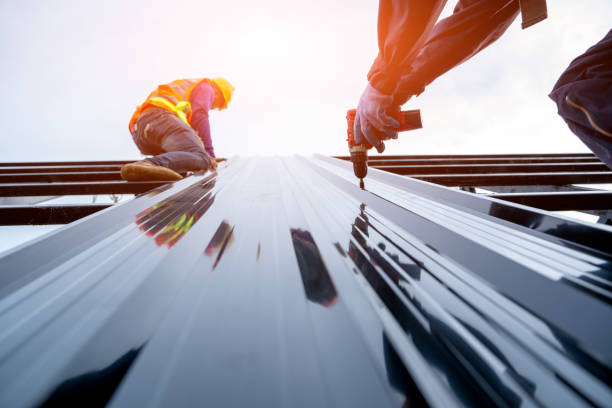
Expert Commercial Roofing Company Phoenix, AZ: Protecting Your Investment with Quality Services
Maintaining the integrity of your commercial roof is essential for safeguarding your business operations, assets, and employees. High-quality commercial roofing services not only extend the life of your roof but also prevent costly replacements and ensure long-term structural stability. Below are key factors to consider when investing in professional roofing services to maximize the value of your commercial property.
Benefits of High-Quality Roofing Services
- Increased Longevity: With proper maintenance and repair work, a well-installed roof can last decades without major issues.
- Cost Efficiency: Proactive care reduces the likelihood of expensive emergencies or premature replacements.
- Energy Efficiency: Professional services ensure proper insulation and ventilation, lowering energy bills by increasing thermal efficiency.
- Aesthetic Appeal: A clean, well-maintained roof enhances the overall appearance and value of your commercial property.
Components of a Quality Roofing Service
- Identifying weak spots, leaks, or structural damage before they escalate.
- Using advanced technologies like infrared thermography to detect hidden moisture issues.
- Regular cleaning to remove debris that clogs drainage systems.
- Routine inspections scheduled seasonally to identify potential risks caused by weather changes.
- Ensuring replacement components match or exceed original material quality.
- Utilizing long-lasting coatings that improve water resistance and UV protection.
- Applying reflective coatings to reduce heat absorption and improve energy efficiency.
- Strengthening existing membranes without a full tear-off when restoration is possible.
Key Factors When Choosing Roofing Services
| Criteria | What to Look For |
| Experience | Years in business with proven expertise in commercial roofing systems |
| Certifications & Licensing | Licensed professionals with certifications from manufacturers like GAF or Duro-Last |
| Warranty Offerings | Comprehensive warranties on both labor and materials |
| Customer Reviews | Positive testimonials from other business owners |
| Safety Practices | Compliance with OSHA standards for workplace safety during installations/repairs |
Cost vs Quality: Why Cutting Corners Can Be Risky
- Frequent repairs due to subpar workmanship.
- Increased downtime if leaks or damage disrupt business operations.
- Decreased property value caused by poor aesthetics or improper installation.
Investing in high-caliber commercial roofing ensures peace of mind while delivering long-term savings on repairs and energy costs.
By prioritizing high-quality service providers who use durable materials and follow industry best practices, businesses can fully protect their investment while maintaining safe and efficient facilities.
Can Your Commercial Roof Be Effectively Repaired or Does It Require Restoration?
When a commercial roof shows signs of wear and tear, business owners often face the critical decision of determining whether repair is sufficient or if a full restoration is necessary. Understanding the factors that influence this decision can save you both time and money, while ensuring the longevity of your roofing system. Below, we’ll explore how to assess your roof’s condition and decide between repair and restoration.
Key Factors to Consider
- Localized Issues: If damage is limited to small sections, such as isolated leaks, ponding water, or minor cracks in the membrane, repairs may suffice.
- Widespread Problems: When damage covers a significant portion of the roof—such as extensive water intrusion or failing materials—restoration could be more cost-effective long-term.
- Most commercial roofing systems have an expected lifespan depending on their material (e.g., TPO, EPDM, metal). If your roof is approaching its maximum lifespan but remains structurally sound, restoration might extend its life by years.
- For newer roofs with minor issues caused by installation errors or isolated weather events, targeted repairs are usually ideal.
- Roof Material Compatibility
Certain materials lend themselves better to restoration processes than others:
| Roofing Material | Suitable for Repair? | Suitable for Restoration? |
|——————-|———————-|—————————|
| EPDM (Rubber) | Yes | Yes |
| TPO (Thermoplastic)| Yes | Yes |
| Metal | Yes | Limited |
Restoration often involves recoating or resurfacing; ensure compatibility between existing materials and new coatings before proceeding. - Repair work tends to have lower upfront costs compared to restoration but may require repeated interventions over time if issues persist.
- While restoration has higher initial expenses, it offers longer-term benefits like improved energy efficiency and extended system lifespan.
- Inspection Results
Always conduct a professional inspection before making decisions about repair versus restoration. Roofing specialists can identify hidden structural damage that might not be apparent during a visual inspection alone.
Benefits of Repair vs Restoration
- Lower initial costs.
- Shorter project timelines.
- Ideal for localized problems without disrupting overall roof integrity.
- Increases energy efficiency by adding reflective coatings.
- Extends the life of your current roofing system by up to 10–20 years.
- Helps avoid costly full replacement in certain cases.
Questions to Ask Your Contractor
- What percentage of my roof is damaged?
- Are there any underlying structural issues that need attention?
- What type of warranty coverage will I receive for repairs versus restoration?
- How will this choice impact my building’s energy efficiency?
By weighing these factors carefully with advice from a qualified professional, you can make an informed decision that balances cost-effectiveness with long-term performance needs for your commercial roofing system.
- The Ultimate Guide to Choosing a Commercial Roofing Company Phoenix, AZ for Your Roof Needs
- Comprehensive Guide to Hiring a Commercial Roofing Contractor Phoenix, AZ for Repairs and Restoration
- How to Determine if Your Commercial Roofing in Phoenix, AZ Needs Replacement
- Comprehensive Guide to Commercial Roofing in Phoenix, AZ
- Step-by-Step Guide to Commercial Roofing in Phoenix, AZ for New Builds
- The Ultimate Guide to Commercial Roofing Phoenix, AZ and All Your Roofing Needs