

A well-maintained commercial roof is crucial to protecting your building, assets, and operations. Over time, however, even the most durable roofing systems will show signs of wear and tear. Knowing when a roof replacement is necessary can save you from costly repairs or structural damage. Below are the key indicators and steps to help you determine whether it’s time for a new commercial roof.
Signs Your Commercial Roof May Need Replacement
- Persistent Leaks: Water stains on ceilings or walls often indicate compromised roofing material or flashing issues.
- Ponding Water: Flat or low-slope roofs may experience water pooling after rainfall, which can deteriorate the membrane over time.
- Visible Damage: Cracks, punctures, blisters, and tears in roofing membranes are strong indicators that repairs may not be sufficient.
- Sagging Roof Structure: A sagging roof deck can signal underlying structural problems that require immediate attention.
- Increasing Energy Bills: Poor insulation or damaged reflective coatings can lead to higher energy costs due to decreased efficiency.
Age of the Roofing System
| Roofing Material | Average Lifespan (Years) |
| EPDM (Rubber) | 20–25 |
| TPO (Thermoplastic) | 15–20 |
| PVC | 20–30 |
| Built-Up Roofing (BUR) | 20–30 |
| Metal Roofing | 40–70 |
If your current roofing system is nearing or has exceeded its expected lifespan, replacement may be more cost-effective than frequent repairs.
Inspection Checklist
- Condition of flashing and seals around vents and HVAC units
- Overall drainage efficiency including gutters and downspouts
- Integrity of roofing membranes or shingles
- Evidence of mold growth caused by moisture intrusion
- Structural health of decking and support systems
Cost vs Benefit Analysis
- Reduces ongoing maintenance expenses
- Enhances building value and aesthetics
- Improves energy efficiency through modern materials
- Ensures compliance with updated building codes
When Repair Isn’t Enough
- Damage affects more than 25% of the total surface area.
- The cost of recurring repairs approaches half the value of a new system.
- Underlying structural elements have been compromised due to neglect.
By staying vigilant about these factors and consulting experienced professionals when necessary, you can ensure that any decision regarding your commercial roof aligns with long-term goals for durability and performance.
Tips to Determine if Your Commercial Roofing Company Phoenix, AZ Can Replace Your Roof
Determining whether your commercial roof requires replacement is a critical step in protecting your building, its occupants, and its assets. A well-maintained roof plays a significant role in the structural integrity of a commercial property. Below are key indicators and steps to assess the condition of your roof and decide if it’s time for a replacement.
Signs Your Commercial Roof May Need Replacement
- Age of the Roof: Most commercial roofing systems have an expected lifespan ranging from 20 to 30 years, depending on the material. If your roof is nearing or has exceeded this range, it may be time to consider replacing it.
- Frequent Repairs: Persistent issues requiring frequent repairs often indicate underlying problems that may not be cost-effective to fix individually.
- Cracks, tears, or punctures in roofing membranes
- Blistering or bubbling on flat roofing systems
- Sagging or uneven sections of the roof
- Moisture Problems: Water stains on ceilings, mold growth, or consistent leaks can point to compromised waterproofing layers.
- Loss of Energy Efficiency: A deteriorating roof can cause poor insulation performance and lead to rising energy costs.
Professional Inspection vs. DIY Assessment
While some signs of damage are visible during routine inspections by building owners or maintenance staff, others require professional evaluation. A licensed commercial roofing contractor can provide a comprehensive assessment using advanced tools such as infrared imaging to detect hidden moisture issues.
| Aspect | DIY Assessment | Professional Inspection |
| Tools Used | Visual checks | Infrared cameras, moisture meters |
| Accuracy | Limited | High |
| Cost | Low/no cost | Service fee |
| Key Benefit | Immediate identification of visible issues | Comprehensive evaluation and long-term recommendations |
Factors Influencing Replacement Decisions
- Roof Type and Material
Certain materials like metal roofs may support partial replacements if only specific sections are damaged, while systems like single-ply membranes often require full replacement once their lifespan ends. - Budget Considerations
Weigh the cost of ongoing repairs against the investment in a new roofing system. In many cases, repeated patchwork becomes more expensive over time than opting for complete replacement. - Building Use and Functionality
Roofing requirements differ based on how the building is used (e.g., warehouses vs. office spaces). Ensure any decision aligns with operational needs. - Weather Conditions
Harsh weather conditions such as heavy snow loads or frequent storms may accelerate wear and tear on your roof, necessitating earlier intervention than expected.
When Immediate Action is Necessary
Some situations demand immediate attention to protect your building from further damage: – Severe weather events causing structural failures – Active leaks damaging interiors – Fire hazards due to faulty insulation layers
If you notice any urgent issues during an inspection, prioritize contacting a qualified commercial roofer promptly.
By staying proactive about inspections and recognizing key warning signs early on, you can minimize risks associated with aging or failing roofs while ensuring long-term protection for your property investments.
How to Hire the Right Commercial Roofing Contractor Phoenix, AZ for Your Business
Hiring the right commercial roofing contractor is a critical decision that can impact your building’s longevity, energy efficiency, and overall operational costs. A high-quality roofing installation or replacement by an experienced contractor ensures your roof’s durability and performance while minimizing future repairs. Below is a detailed guide on how you can select the best commercial roofing contractor for your business needs.
Key Qualities to Look for in a Roofing Contractor
- Licensing and Certification
Verify that the contractor holds all necessary licenses and certifications required by local or state authorities. This demonstrates their compliance with industry standards and regulations. - Experience with Commercial Projects
Choose contractors who specialize in commercial roofing systems rather than residential work. Commercial roofs often require expertise with materials like TPO, EPDM, or metal that differ significantly from standard shingles. - Insurance Coverage
Ensure the contractor has adequate liability insurance as well as worker’s compensation coverage. This protects you from potential legal or financial liabilities in case of accidents during the project. - Reputation and References
Check online reviews, testimonials, and ratings from previous clients. Ask for references from past projects similar to yours and follow up with those references to assess their experience.
Questions to Ask Potential Contractors
- What types of commercial roofing systems do you specialize in?
- Can you provide a detailed estimate including labor costs, material costs, timelines, and warranties?
- How do you handle unexpected issues during a project?
- Do you offer maintenance services post-installation?
Documenting these answers can help compare contractors objectively during the decision-making process.
The Importance of Written Contracts
| Item | Details |
| Scope of Work | A clear outline of tasks to be performed |
| Project Timeline | Start dates, milestones, completion date |
| Materials | Specific brands/types of materials being used |
| Cost Breakdown | Detailed pricing for labor and materials |
| Warranty Information | Coverage duration for both materials and workmanship |
Review all terms carefully before signing to avoid misunderstandings later on.
Red Flags to Avoid
- Demands for full payment upfront instead of progress-based payments.
- Lack of proper licensing or insurance documentation.
- Refusal to provide references or portfolios.
- Unclear estimates without itemized breakdowns.
Benefits of Hiring the Right Contractor
- Proper installation ensuring maximum lifespan of your roof.
- Reduced energy bills through efficient materials like reflective coatings.
- Compliance with building codes avoiding costly penalties.
- Peace of mind knowing your investment is protected by warranties.
By investing time upfront in researching qualified professionals, business owners can save money, mitigate risk, and ensure their property is safeguarded against environmental challenges efficiently over time.
Top 10 Considerations Before Choosing an Industrial Roofing System in Phoenix, AZ
Selecting the right commercial roofing system is a critical decision for building owners. With numerous materials, installation techniques, and performance factors to evaluate, making an informed choice can save significant time and resources in the long run. Below are the top 10 considerations to keep in mind when deciding on a new commercial roofing system.
1. Building Usage and Purpose
The function of your building will greatly influence your roofing needs. For example:
– Warehouses may prioritize durability and cost-efficiency.
– Office buildings often need energy-efficient solutions to reduce heating and cooling costs.
– Retail spaces might focus on aesthetics alongside performance.
Evaluate how roof performance can align with your building’s intended use.
2. Climate and Weather Conditions
The local climate plays a major role in determining the best roofing material: – Hot climates benefit from reflective, cool roofs like TPO or white PVC membranes. – Areas prone to heavy rainfall may need materials with excellent waterproofing such as modified bitumen or EPDM. – Wind-resistant systems are essential in regions susceptible to storms or hurricanes.
3. Energy Efficiency
Energy efficiency is a top priority for many business owners looking to lower utility bills: – Look for reflective roofs that meet ENERGY STAR® requirements. – Materials like TPO membranes and metal roofs offer excellent thermal performance. – Cool roofing systems can reduce HVAC usage, leading to long-term savings.
4. Longevity and Durability
Choose a roofing system based on its expected lifespan: | Roofing Material | Expected Lifespan | |————————|——————| | TPO | 15–20 years | | EPDM | 20–30 years | | Metal Roofing | 40+ years | | Built-Up Roofing (BUR) | 20–30 years |
Consider both the upfront costs and replacement frequency when evaluating options.
5. Installation Costs
Initial installation costs vary depending on material type, labor intensity, and contractor expertise: – Single-ply membranes like TPO or PVC are often cost-effective but may require skilled installation. – Metal roofs tend to have higher upfront costs but provide excellent longevity.
Always obtain multiple quotes from reputable contractors for accurate pricing comparisons.
6. Maintenance Requirements
Some systems require more frequent upkeep than others: – Low-maintenance options: Metal, PVC
– Higher-maintenance options: BUR and modified bitumen
Understanding maintenance requirements helps budget appropriately for post-installation care.
7. Roof Slope Compatibility
Certain roofing materials are better suited for specific roof slopes:
– Low-slope roofs pair well with single-ply systems such as TPO or EPDM. – Steeper slopes accommodate materials like metal panels or asphalt shingles (if applicable).
Ensure the chosen system matches your roof’s structural design.
8. Sustainability Goals
For businesses prioritizing environmental responsibility, consider:
– Recyclable materials like metal or thermoplastics (TPO/PVC).
– Green roof installations featuring vegetation layers for natural insulation and stormwater management.
Seek certifications such as LEED points when sustainability is critical.
9. Warranty Options
Carefully review warranties offered by manufacturers: – Material warranties cover defects in the product itself. – Workmanship warranties ensure proper installation practices were followed.
Some warranties also include coverage for weather-related damage; always review terms closely before commitment.
10. Professional Expertise of Contractors
Even the best roofing system will fail without proper installation by qualified professionals: 1. Research contractors with experience specific to commercial projects. 2. Verify their credentials, certifications, insurance coverage, and references before hiring. 3. Look into whether they offer ongoing maintenance services post-installation for added peace of mind.
By taking these considerations into account during your decision-making process, you can select a commercial roofing solution that meets your business needs while providing durability, efficiency, and long-term value over its lifecycle.
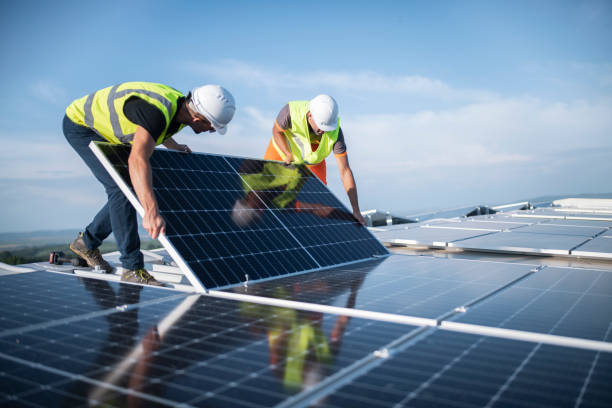
Which Commercial Flat Roofing System is Best for Your Business in Phoenix, AZ
Choosing the right commercial roofing system for your business is a critical decision that impacts both the short-term and long-term performance of your building. Not all roofing systems are created equal, and each comes with distinct advantages and limitations. To determine which system best meets your needs, you should consider factors such as the climate, building structure, budget, and maintenance requirements. Below is a detailed breakdown of popular commercial roofing systems to help guide your decision.
1. Built-Up Roofing (BUR)
Built-up roofing, often referred to as “tar-and-gravel” roofs, has been a reliable choice for decades.
Key Features:
– Multiple layers of bitumen (asphalt or coal tar) alternated with reinforcing materials like felt or fiberglass sheets.
– Gravel or mineral surface added to protect against UV damage and weather elements.
Advantages:
– Durable with excellent waterproofing capabilities.
– Provides insulation due to its thickness.
Considerations:
– Can be heavy; may not suit all structures.
– Installation process can be time-consuming.
2. Modified Bitumen Roofing (MBR)
This system builds on traditional BUR but adds polymer-modified layers for improved performance.
Key Features:
– Reinforced sheets made from asphalt modified with plastic or rubber polymers. – Installed using heat-welding or adhesives.
Advantages:
– Strong resistance to cracks and tears. – Compatible with roofs experiencing heavy foot traffic.
Considerations:
– Requires skilled labor for proper installation.
a) Thermoplastic Polyolefin (TPO) Roofing
A popular choice due to its affordability and energy efficiency.
| Feature | Benefit |
| Reflectivity | Reduces energy costs by reflecting sunlight. |
| Lightweight | Easy installation on most structures. |
b) Ethylene Propylene Diene Monomer (EPDM)
A durable synthetic rubber membrane that performs well in extreme temperatures.
| Pros | Cons |
| Excellent UV resistance | Limited color options (mostly black). |
| Long lifespan | May absorb heat in hot climates. |
c) Polyvinyl Chloride (PVC)
Known for its superior chemical resistance and durability over time.
3. Metal Roofing Systems
Metal roofs are commonly used for commercial buildings due to their longevity and strength.
Key Features:
– Made from aluminum, steel, zinc, or copper panels. – Often coated with protective finishes to resist corrosion.
Advantages:
– Lifespan often exceeds 40+ years. – Eco-friendly option as many metal roofs are recyclable.
Considerations:
– Higher upfront cost compared to other systems. – Noise during rainstorms may require insulation layers beneath the surface.
Factors to Consider When Selecting a System
- Building Use & Design: Flat vs sloped roofs will influence which systems are practical choices.
- Local Climate Conditions: Regions prone to high winds, heavy rainfall, or excessive heat may require more robust materials like metal or TPO.
- Budget Constraints: While some systems like PVC may cost more initially, they can offer lower maintenance costs over their lifetime.
- Maintenance Requirements: Consider whether you have a team capable of handling routine inspections and repairs or if you prefer low-maintenance options like EPDM.
- Energy Efficiency Goals: Reflective materials like TPO can reduce cooling expenses in warmer regions.
By carefully evaluating these factors along with the available options outlined above, business owners can select the roofing solution that aligns best with their operational needs while maximizing return on investment over time.
Understanding the Different Types of Commercial Roof Warranties and What They Cover
When investing in a commercial roofing system, understanding the warranties available is a critical step in protecting your investment. Roof warranties not only provide peace of mind but also ensure that you are prepared for unexpected issues. Here’s a detailed breakdown of the different types of commercial roof warranties, what they typically cover, and how to navigate them effectively.
Types of Commercial Roof Warranties
- Covers defects in manufacturing or material issues.
- Typically valid for 10–30 years, depending on the product and manufacturer.
- Does not generally include labor or installation-related problems.
- Provided by the contractor who installs the roof.
- Covers issues arising from improper installation techniques or errors during installation.
- Duration varies widely, often between 1–10 years.
- Covers both material defects and installation errors.
- Offered by some manufacturers, ensuring comprehensive protection.
- May come with specific maintenance requirements to remain valid.
- Not technically a warranty but often offered alongside one.
- Requires periodic inspections and maintenance to maintain warranty coverage.
| Warranty Type | Covers Materials? | Covers Installation? | Typical Duration |
| Manufacturer’s Material | ✅ | ❌ | 10–30 years |
| Workmanship | ❌ | ✅ | 1–10 years |
| Full-System | ✅ | ✅ | Varies |
What Warranties Typically Cover
- Leaks caused by material defects or improper installation (depending on type).
- Premature failure of roofing components due to manufacturing flaws.
- Certain repair costs if damage occurs within the warranty period.
What Warranties Typically Exclude
- Damage caused by natural disasters such as hurricanes, tornadoes, or earthquakes (often falls under insurance claims).
- Neglecting routine maintenance or inspections as specified in the warranty agreement.
- Unauthorized modifications or repairs made without approval from the manufacturer or contractor.
Key Considerations When Reviewing a Roof Warranty
- Understand Coverage Details: Read through all terms and conditions carefully to know exactly what is covered—and what isn’t.
- Check Transferability: If you sell your property, can the warranty be transferred to the new owner?
- Maintenance Requirements: Ensure you meet inspection schedules and care guidelines outlined in your warranty agreement.
- Exclusions: Take note of any exclusions that could limit your ability to make a claim later.
Tips for Maximizing Your Warranty Benefits
- Schedule regular inspections with certified professionals to identify potential issues early.
- Keep detailed documentation of all maintenance performed on your roof.
- Address minor problems quickly before they escalate into larger issues that may not be covered under your warranty.
Commercial roof warranties serve as essential tools for mitigating risk and safeguarding your investment in roofing infrastructure. By understanding their scope, limitations, and requirements, building owners can make informed decisions that align with their long-term goals for durability and performance.
Key Factors That Impact the Lifespan of Your Commercial Roof
When investing in a commercial roof, understanding the factors that influence its lifespan is essential for maximizing the return on your investment. A commercial roof is a long-term investment, and its durability depends on several critical factors. Proper care, high-quality materials, and regular maintenance all contribute to ensuring your roof serves its intended life expectancy.
1. Quality of Materials
- TPO (Thermoplastic Polyolefin): Typically lasts 15-20 years with proper maintenance.
- EPDM (Ethylene Propylene Diene Monomer): Known for durability; lifespan ranges from 20-30 years.
- Modified Bitumen: Offers resistance to harsh weather conditions with an average life expectancy of 20 years.
- Metal Roofing: One of the longest-lasting options, often exceeding 40 years with appropriate care.
Opting for high-quality materials may involve higher upfront costs but will generally reduce repair needs and extend the overall lifespan.
2. Installation Practices
- Follow manufacturer guidelines during installation.
- Adequately prepare surfaces before applying roofing systems.
- Use proper techniques to create watertight seals at seams and edges.
Poor workmanship can lead to issues such as leaks, ponding water, or premature wear over time.
3. Environmental Factors
| Environmental Condition | Potential Impact on Roof Lifespan |
| Heavy Rainfall | Risk of leaks or water damage |
| Extreme Heat | Accelerated membrane degradation |
| Snow & Ice | Structural stress or ice damming |
| High Winds | Risk of material uplift or tears |
Choosing roofing systems designed for specific weather challenges in your region will help mitigate these risks.
4. Regular Maintenance and Inspections
- Scheduling biannual inspections (spring and fall).
- Clearing debris from gutters, drains, and downspouts.
- Addressing minor repairs promptly to avoid costly fixes later.
- Monitoring for signs such as blistering, cracks, or pooling water.
A well-maintained roof will last significantly longer than one that is neglected over time.
5. Roof Design Considerations
- Flat vs Sloped Roofs: Flat roofs are more prone to water pooling compared to sloped designs that promote drainage.
- Drainage Systems: Inadequate drainage can lead to standing water and structural deterioration.
- Ventilation: Poor ventilation may trap heat or moisture, causing membranes or other components to degrade prematurely.
Design choices should align with both functional needs and local environmental conditions.
Final Thoughts on Extending Roof Longevity
Maximizing the lifespan of your commercial roof requires an integrated approach involving quality materials, professional installation practices, regular maintenance efforts, and tailored design decisions suited to your building’s environment. By addressing these key factors proactively, you can protect your investment while minimizing long-term repair costs and disruptions to business operations.
- The Ultimate Guide to Choosing a Commercial Roofing Company Phoenix, AZ for Your Roof Needs
- Comprehensive Guide to Hiring a Commercial Roofing Contractor Phoenix, AZ for Repairs and Restoration
- How to Determine if Your Commercial Roofing in Phoenix, AZ Needs Replacement
- Comprehensive Guide to Commercial Roofing in Phoenix, AZ
- Step-by-Step Guide to Commercial Roofing in Phoenix, AZ for New Builds
- The Ultimate Guide to Commercial Roofing Phoenix, AZ and All Your Roofing Needs